Table of Contents
Benefits of Using Twin Tube Golden Reflector Medium Wave Infrared Heater for Paint Drying
The Twin Tube Golden Reflector Medium Wave Infrared Heater has emerged as a highly effective solution for paint drying, offering numerous benefits that enhance both efficiency and quality in various applications. One of the primary advantages of this heating technology is its ability to deliver targeted heat directly to the surface of the painted object. Unlike traditional heating methods that rely on ambient air temperature, the medium wave infrared heater penetrates the paint layer, ensuring that the drying process occurs uniformly and effectively. This targeted approach not only accelerates drying times but also minimizes the risk of defects such as runs, sags, or uneven finishes.
Moreover, the Twin Tube Golden Reflector design optimizes heat distribution, allowing for a more consistent drying environment. The reflectors are engineered to maximize the infrared radiation emitted by the tubes, directing the heat precisely where it is needed. This feature is particularly beneficial in industrial settings where large surfaces are painted, as it ensures that every part of the surface receives adequate heat, thereby enhancing the overall quality of the finish. As a result, manufacturers can achieve a higher standard of work, which is crucial in competitive markets.
In addition to improving the quality of the paint finish, the use of medium wave infrared heaters can significantly reduce drying times. Traditional drying methods often require extended periods, leading to bottlenecks in production and increased labor costs. In contrast, the Twin Tube Golden Reflector can dry paint in a fraction of the time, allowing for quicker turnaround on projects. This efficiency not only boosts productivity but also enables businesses to meet tight deadlines and respond swiftly to customer demands, thereby enhancing overall operational effectiveness.
Another noteworthy benefit of this heating technology is its energy efficiency. The medium wave infrared heater operates by converting electrical energy into infrared radiation, which is then absorbed by the painted surface. This process minimizes heat loss to the surrounding environment, making it a more sustainable option compared to conventional heating methods. As businesses increasingly seek to reduce their carbon footprint and energy costs, the adoption of energy-efficient technologies like the Twin Tube Golden Reflector becomes a strategic advantage.
Furthermore, the versatility of the Twin Tube Golden Reflector Medium Wave Infrared Heater makes it suitable for a wide range of applications beyond paint drying. It can be effectively used in various industries, including automotive, woodworking, and metal finishing, where quick and efficient drying is essential. This adaptability allows businesses to invest in a single heating solution that can cater to multiple processes, thereby simplifying equipment management and reducing capital expenditure.
In conclusion, the Twin Tube Golden Reflector Medium Wave Infrared Heater offers a multitude of benefits for paint drying applications. Its ability to provide targeted heat, optimize drying times, enhance energy efficiency, and serve various industrial needs makes it an invaluable tool for manufacturers. As industries continue to evolve and demand higher quality finishes with faster turnaround times, the adoption of advanced heating technologies like this infrared heater will undoubtedly play a crucial role in shaping the future of paint drying processes. By embracing such innovations, businesses can not only improve their operational efficiency but also elevate the quality of their products, ultimately leading to greater customer satisfaction and competitive advantage in the marketplace.
Tips for Maximizing Efficiency of Twin Tube Golden Reflector Medium Wave Infrared Heater for Paint Drying
When utilizing a Twin Tube Golden Reflector Medium Wave Infrared Heater for paint drying, maximizing efficiency is crucial to achieving optimal results while minimizing energy consumption. To begin with, understanding the operational principles of this type of heater is essential. The medium wave infrared technology emits heat that penetrates the surface of the paint, promoting faster drying times without compromising the quality of the finish. Therefore, positioning the heater correctly is one of the most effective ways to enhance its efficiency. Ideally, the heater should be placed at a distance that allows for even heat distribution across the painted surface. This distance typically ranges from 12 to 36 inches, depending on the specific model and the type of paint being used.
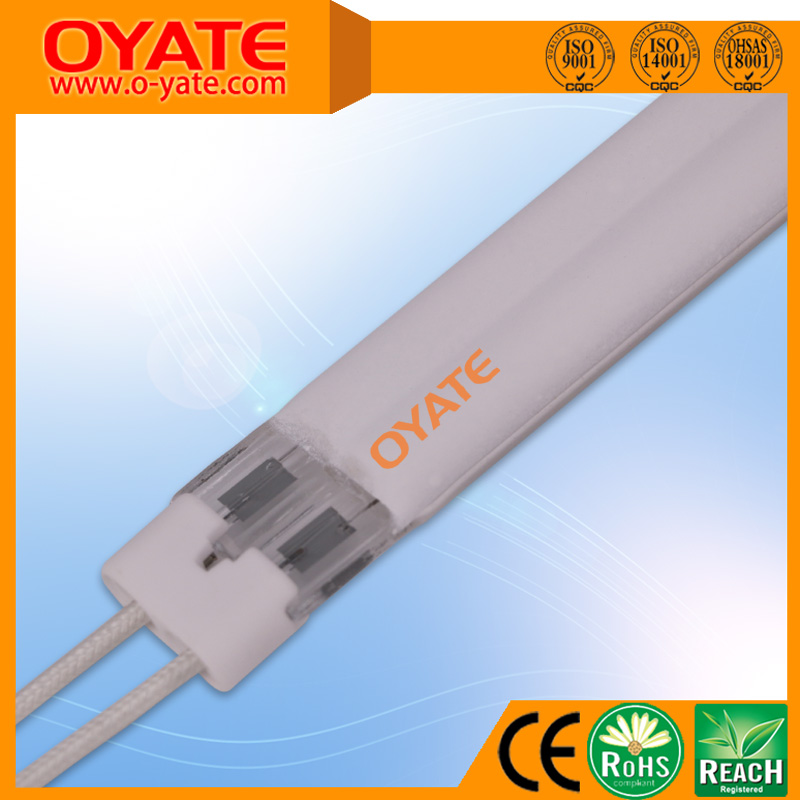
| Product | Quartz twin tube IR lamp |
| Application | Industrial heating, Printing |
In addition to proper placement, it is important to consider the ambient conditions in which the heater operates. For instance, ensuring that the workspace is well-ventilated can significantly improve the drying process. Adequate airflow helps to dissipate moisture and volatile organic compounds (VOCs) released during the drying phase, thereby enhancing the overall efficiency of the heater. Furthermore, maintaining a consistent temperature in the environment can prevent fluctuations that may hinder the drying process. Utilizing insulation or thermal barriers can help maintain a stable temperature, particularly in colder climates.
Moreover, the type of paint being used plays a pivotal role in the efficiency of the drying process. Selecting paints that are specifically formulated for use with infrared heaters can yield better results. These paints are designed to respond optimally to infrared radiation, allowing for quicker drying times and improved adhesion. Additionally, applying thinner coats of paint can also enhance drying efficiency. Thinner layers dry more rapidly than thicker applications, reducing the time required for the heater to be effective.
Another critical aspect to consider is the heater’s operational settings. Many models come equipped with adjustable power settings, allowing users to tailor the heat output to the specific requirements of the paint and the environment. Utilizing a higher setting for initial drying and then reducing the power as the paint begins to set can optimize energy use while ensuring thorough drying. It is also advisable to monitor the heater’s performance regularly. Keeping an eye on the temperature and adjusting the distance as necessary can prevent overheating and ensure that the paint dries evenly.
In addition to these practical tips, regular maintenance of the heater itself is essential for long-term efficiency. Cleaning the reflector surfaces and ensuring that the heating elements are free from dust and debris can significantly enhance performance. A clean reflector maximizes the amount of infrared radiation directed towards the painted surface, thereby improving drying times.
Lastly, integrating the use of a timer can further enhance efficiency. By setting the heater to operate for specific intervals, users can avoid unnecessary energy consumption while ensuring that the paint receives adequate exposure to heat. This approach not only conserves energy but also helps in managing the overall workflow in the workspace.
In conclusion, maximizing the efficiency of a Twin Tube Golden Reflector Medium Wave Infrared Heater for paint drying involves a combination of proper placement, environmental considerations, paint selection, operational adjustments, and regular maintenance. By implementing these strategies, users can achieve faster drying times, improve the quality of their finishes, and reduce energy costs, ultimately leading to a more productive and sustainable painting process.