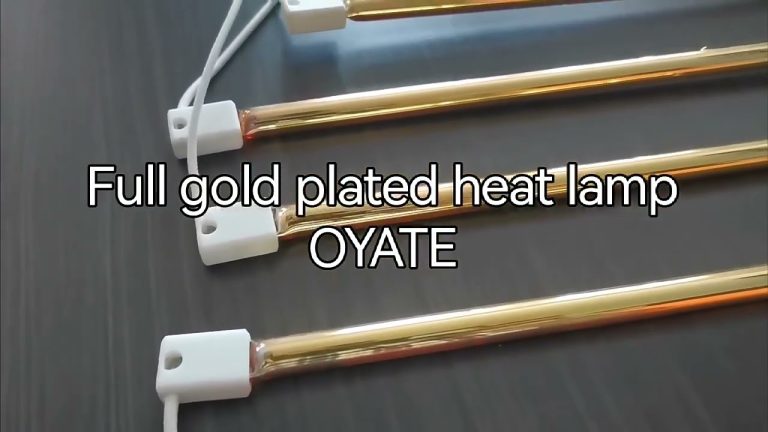
หลอดไฟฮาโลเจนทังสเตนมีโครงสร้างคล้ายคลึงกับหลอดไส้หลอดทังสเตนที่เติมแก๊สทั่วไป ยกเว้นว่ามีฮาโลเจนเพียงเล็กน้อย (โดยปกติคือโบรมีน) ในก๊าซเติม
ก๊าซฮาโลเจนทำปฏิกิริยากับทังสเตนที่ระเหย เคลื่อนตัวออกไปด้านนอก และสะสมตัวอยู่ บนผนังโคมไฟ เมื่อผนังห่อหุ้มของควอตซ์มีอุณหภูมิประมาณ 250C ฮาโลเจนจะทำปฏิกิริยากับทังสเตนเพื่อสร้างทังสเตนฮาไลด์ ซึ่งถูกปลดปล่อยออกจากผนังของหลอดไฟและย้ายกลับไปยังเส้นใย
สารประกอบเฮไลด์ทำปฏิกิริยาที่เส้นใยซึ่งมีอุณหภูมิ อุณหภูมิประมาณ 2,500C ทำให้ทังสเตนและฮาโลเจนแยกตัวออกจากกัน ทังสเตนสะสมตัวบนส่วนที่เย็นกว่าของไส้หลอด และฮาโลเจนจะถูกปล่อยออกมาเพื่อดำเนินวงจรต่อไป
ไส้หลอดของหลอดฮาโลเจนทังสเตนมีวัตถุประสงค์สองประการ ประการแรกคือการสร้างแสงสว่าง และประการที่สองคือการสร้างความร้อนที่จำเป็นเพื่อให้ได้อุณหภูมิผนังที่สูงกว่า 250C
โคมไฟเหล่านี้ได้รับการออกแบบมาเพื่อรักษาอุณหภูมิผนังที่ต้องการเมื่อทำงานที่แรงดันไฟฟ้าที่ออกแบบไว้ การลดแรงดันไฟฟ้าเกิน 10 เปอร์เซ็นต์จากแรงดันไฟฟ้าที่ออกแบบอาจส่งผลให้อุณหภูมิผนังลดลงต่ำกว่า 250C ที่ต้องการ
การทดสอบพบว่าในกรณีส่วนใหญ่ สภาพการทำงานที่ลดลงนี้ไม่ส่งผลเสียต่อการทำงานของหลอดไฟ เมื่ออุณหภูมิผนังลดลงจนถึงจุดที่วัฏจักรของฮาโลเจนหยุดทำงาน อุณหภูมิของไส้หลอดก็ลดลงจนถึงจุดที่การระเหยของทังสเตนมีน้อยมาก หากสังเกตเห็นผนังดำคล้ำ ควรหลีกเลี่ยงช่วงแรงดันไฟฟ้าในการทำงานที่เกิดเหตุการณ์นี้ การเผาหลอดไฟที่แรงดันไฟฟ้าที่ออกแบบไว้ในช่วงเวลาสั้นๆ มักจะสามารถทำความสะอาดหลอดไฟที่ดำคล้ำได้เนื่องจากการทำงานชั่วคราวในช่วงแรงดันไฟฟ้าดังกล่าว
อย่างไรก็ตาม ในโอกาสที่หายาก หลอดฮาโลเจนทังสเตนที่ถูกลดพิกัดลงมากกว่า 10 เปอร์เซ็นต์อาจประสบกับปัญหา อาการไม่พึงประสงค์จากฮาโลเจนที่มีฤทธิ์กัดกร่อนซึ่งโจมตีไส้หลอดทังสเตนทำให้หลอดไฟเสียหายก่อนเวลาอันควร ไม่แนะนำให้ใช้หลอดฮาโลเจนทังสเตนที่แรงดันไฟฟ้าเกินแรงดันไฟฟ้าที่ออกแบบ เนื่องจากปกติแล้วหลอดไฟได้รับการออกแบบให้มีขีดจำกัดสูงสุด อุณหภูมิซีลหลอดไฟต้องไม่เกิน 350C มิฉะนั้นการเกิดออกซิเดชันของริบบิ้นโมลิบดีนัมจะเกิดขึ้นส่งผลให้หลอดไฟเสียหายก่อนเวลาอันควร
Tungsten Halogen Lamps are similar in construction to conventional gas filled tungsten filament lamps except for a small trace of halogen (normally bromine) in the fill gas.
The halogen gas reacts with the tungsten that has evaporated, migrated outward, and been deposited on the lamp wall. As the quartz envelope wall reaches a temperature of approximately 250C, the halogen reacts with the tungsten to form tungsten halide, which is freed from the wall of the lamp and migrates back to the filament.
The halide compound reacts at the filament where temperatures approximating 2,500C cause the tungsten and halogen to dissociate. The tungsten deposits onto the colder portions of the filament, and the halogen is freed to continue the cycle.
The filament of a Tungsten Halogen Lamp has two purposes. One is to generate light, and the second is to generate the heat necessary to obtain a wall temperature exceeding 250C.
These lamps have been designed to maintain this required wall temperature when operated at design voltage. A reduction of voltage exceeding 10% from the design voltage will probably result in the wall temperature falling below the required 250C.
Tests reveal that in most cases this reduced operating condition is not detrimental to the operation of the lamp. By the time the wall temperature drops to a point where the halogen cycle ceases to function, the filament temperature has diminished to a point where the tungsten evaporation is negligible. If wall blackening is noticed, the operating voltage range at which this occurs should be avoided. Burning the lamp at design voltage for a short period of time can usually clean up lamp blackening due to temporary operation in such a voltage range.
However, on rare occasions tungsten halogen lamps de-rated by more than 10% could experience an adverse reaction of the corrosive halogen attacking the tungsten filament causing premature lamp failure. Operating Tungsten Halogen Lamps at voltages exceeding design voltage is not recommended as the lamps are normally designed to their maximum limits. Lamp seal temperatures must not exceed 350C or oxidation of the molybdenum ribbon will occur resulting in premature lamp failure.