Table of Contents
Benefits of Using R7s Clear Halogen Heating Lamp for Screen Printing
Screen printing is a popular method used in various industries for creating high-quality prints on different surfaces. One crucial component of the screen printing process is the heat source used to cure the ink and dry the prints. One of the most efficient and effective heat sources for screen printing is the R7s clear halogen heating lamp.
R7s clear halogen heating lamps are specifically designed to provide intense heat quickly and evenly, making them ideal for screen printing applications. These lamps emit infrared heat, which is essential for curing the ink and ensuring that the prints are durable and long-lasting. The focused heat produced by these lamps helps to speed up the drying process, allowing for faster production times and increased efficiency.
One of the key benefits of using R7s clear halogen heating lamps for screen printing is their energy efficiency. These lamps are designed to convert a high percentage of the electrical energy they consume into heat, making them more cost-effective than other heat sources. This energy efficiency not only helps to reduce operating costs but also minimizes the environmental impact of the screen printing process.
In addition to their energy efficiency, R7s clear halogen heating lamps are also known for their durability and longevity. These lamps are built to withstand the high temperatures and intense use associated with screen printing applications, ensuring that they will last for an extended period of time. This durability reduces the need for frequent replacements, saving both time and money in the long run.
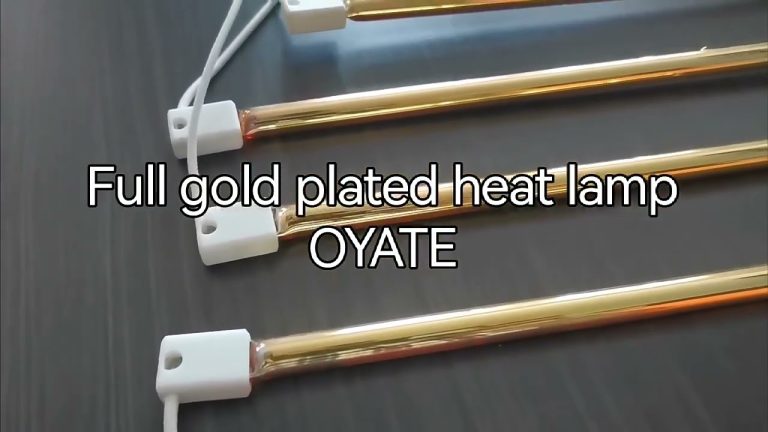
| Name: | infrared heat lamp |
| Brand: | OYATE |
Another advantage of using R7s clear halogen heating lamps for screen printing is their versatility. These lamps come in a variety of sizes and wattages, allowing for customization based on the specific requirements of the printing job. Whether you are working on small prints or large-scale projects, there is an R7s clear halogen heating lamp that will meet your needs.

Furthermore, R7s clear halogen heating lamps are easy to install and maintain, making them a convenient option for screen printing businesses of all sizes. These lamps can be quickly and easily integrated into existing equipment, minimizing downtime and ensuring that production can continue without interruption. Additionally, routine maintenance is simple and straightforward, further reducing the overall cost of operation.
Overall, the benefits of using R7s clear halogen heating lamps for screen printing are clear. From their energy efficiency and durability to their versatility and ease of installation, these lamps offer a range of advantages that can help improve the efficiency and quality of the screen printing process. Whether you are a small business looking to increase productivity or a large-scale operation seeking to streamline your production, R7s clear halogen heating lamps are an excellent choice for all your screen printing needs.
Tips for Maximizing the Efficiency of Infrared Heat Lamp in Factory Settings
Infrared heat lamps are a popular choice for heating applications in factory settings due to their efficiency and effectiveness. These lamps emit infrared radiation, which is absorbed by objects and surfaces, causing them to heat up. This makes them ideal for a variety of industrial processes, including screen printing. If you are using an R7s clear halogen heating lamp for screen printing in your factory, there are several tips you can follow to maximize its efficiency and ensure optimal performance.
First and foremost, it is important to position the heat lamp correctly. The lamp should be placed at the optimal distance from the surface being heated to ensure even and consistent heating. This will help to prevent hot spots and ensure that the entire surface is heated uniformly. Additionally, make sure that the lamp is securely mounted and properly aligned to avoid any potential safety hazards.
Another important factor to consider is the wattage of the heat lamp. Higher wattage lamps will produce more heat, but they will also consume more energy. It is important to strike a balance between heat output and energy efficiency to ensure that you are getting the most out of your heat lamp. Consider the size of the area you need to heat and the temperature requirements of your process when selecting the appropriate wattage for your heat lamp.
In addition to proper positioning and wattage, it is also important to consider the reflectivity of the surface being heated. Reflective surfaces will bounce the infrared radiation back towards the heat lamp, increasing its efficiency and reducing heat loss. Consider using reflective materials or coatings to maximize the effectiveness of your heat lamp and ensure that as much heat as possible is being transferred to the surface being heated.
Regular maintenance and cleaning of your heat lamp are also essential for maximizing its efficiency. Dust and debris can accumulate on the lamp, reducing its effectiveness and potentially causing overheating. Regularly inspect the lamp for any signs of wear or damage, and clean it as needed to ensure optimal performance. Additionally, consider replacing the lamp periodically to ensure that it is operating at peak efficiency.
Finally, consider using a timer or thermostat to control the operation of your heat lamp. This will allow you to set specific heating cycles and temperatures, reducing energy consumption and ensuring that the lamp is only operating when needed. This can help to extend the life of the lamp and reduce operating costs in the long run.
In conclusion, maximizing the efficiency of an infrared heat lamp in a factory setting requires careful consideration of positioning, wattage, reflectivity, maintenance, and control. By following these tips, you can ensure that your R7s clear halogen heating lamp is operating at peak efficiency and providing optimal performance for your screen printing process. With proper care and maintenance, your heat lamp can be a valuable asset in your factory, helping to improve productivity and reduce energy costs.