

目录
Advantages of Implementing Cost-Effective Infrared Systems in Textile Industry
In today’s competitive market, businesses are constantly looking for ways to improve efficiency and reduce costs. One area where cost-effective solutions can make a significant impact is in the textile and printing industries. Implementing infrared systems in these industries can offer a range of benefits, from increased productivity to reduced energy consumption.
One of the key advantages of using cost-effective infrared systems in the textile industry is their ability to improve the drying process. Traditional drying methods, such as hot air drying, can be time-consuming and inefficient. Infrared systems, on the other hand, use electromagnetic radiation to heat the material directly, resulting in faster drying times and higher quality finished products. This can help textile manufacturers increase their production output and reduce the risk of defects.
Another benefit of implementing cost-effective infrared systems in the textile industry is their versatility. These systems can be easily integrated into existing production lines, making them a cost-effective solution for businesses of all sizes. Whether you are a small boutique or a large-scale manufacturer, infrared systems can help you improve your processes and stay competitive in the market.
In addition to improving drying times and versatility, cost-effective infrared systems can also help textile manufacturers reduce their energy consumption. Traditional drying methods often require large amounts of energy to heat the air and dry the material. Infrared systems, on the other hand, use less energy and produce less waste heat, making them a more sustainable option for businesses looking to reduce their carbon footprint.
By implementing cost-effective infrared systems in the textile industry, businesses can also improve the quality of their finished products. Infrared radiation is able to penetrate the material more deeply than hot air, resulting in more uniform drying and better color retention. This can help textile manufacturers produce higher quality products that meet the demands of their customers.
Overall, the advantages of implementing cost-effective infrared systems in the textile industry are clear. From improved drying times and versatility to reduced energy consumption and higher quality finished products, these systems offer a range of benefits for businesses looking to stay competitive in the market. By investing in infrared technology, textile manufacturers can improve their processes, reduce costs, and increase their bottom line.
How Cost-Effective Infrared Systems Improve Efficiency in Printing Industry
In the fast-paced world of textile and printing industries, efficiency is key to staying competitive and meeting customer demands. One way to improve efficiency in these industries is by utilizing cost-effective infrared systems. These systems offer a range of benefits that can help businesses streamline their operations and increase productivity.
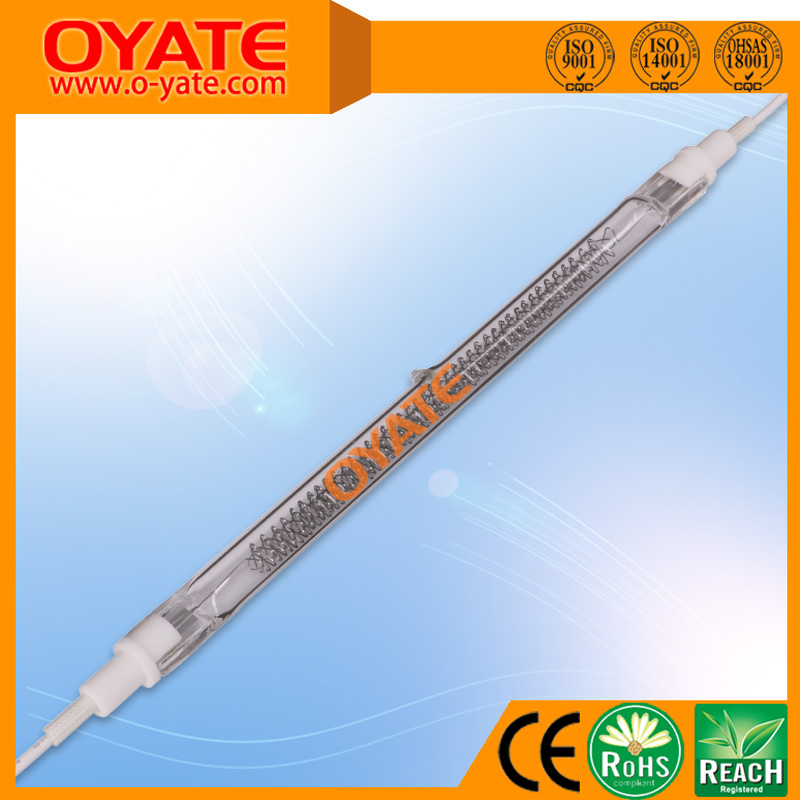
| Item Name | Halogen infrared lamps |
| Application | Screen printing drying |
One of the main advantages of using infrared systems in the textile and printing industries is their ability to provide consistent and precise heating. Unlike traditional heating methods, such as convection ovens or hot air blowers, infrared systems deliver heat directly to the surface of the material being processed. This results in faster heating times and more uniform heating across the entire surface, leading to higher quality finished products.
In addition to providing consistent heating, infrared systems are also highly energy efficient. Because they heat the material directly, rather than heating the air around it, infrared systems require less energy to achieve the same results. This can lead to significant cost savings for businesses, especially those that operate on a large scale or have high heating requirements.
Another benefit of using infrared systems in the textile and printing industries is their versatility. These systems can be customized to meet the specific needs of each individual business, whether that means heating a particular type of material, achieving a specific temperature range, or fitting into a limited space. This flexibility allows businesses to optimize their processes and maximize their output without having to invest in multiple heating solutions.
Furthermore, infrared systems are easy to install and maintain, making them a cost-effective choice for businesses of all sizes. Unlike traditional heating equipment, which can be complex and require regular maintenance, infrared systems are simple to set up and require minimal upkeep. This means businesses can spend less time and money on maintenance and more time focusing on their core operations.
Infrared systems also offer a number of safety benefits for businesses in the textile and printing industries. Because they heat materials directly, rather than heating the air around them, infrared systems produce less waste heat and are less likely to cause fires or other safety hazards. This can help businesses reduce their risk of accidents and ensure a safe working environment for their employees.
Overall, cost-effective infrared systems are a valuable tool for businesses in the textile and printing industries looking to improve efficiency and reduce costs. By providing consistent heating, energy efficiency, versatility, ease of installation and maintenance, and safety benefits, these systems can help businesses streamline their operations and increase productivity. Whether businesses are looking to upgrade their existing heating equipment or invest in new technology, infrared systems offer a reliable and cost-effective solution for improving efficiency in the textile and printing industries.


