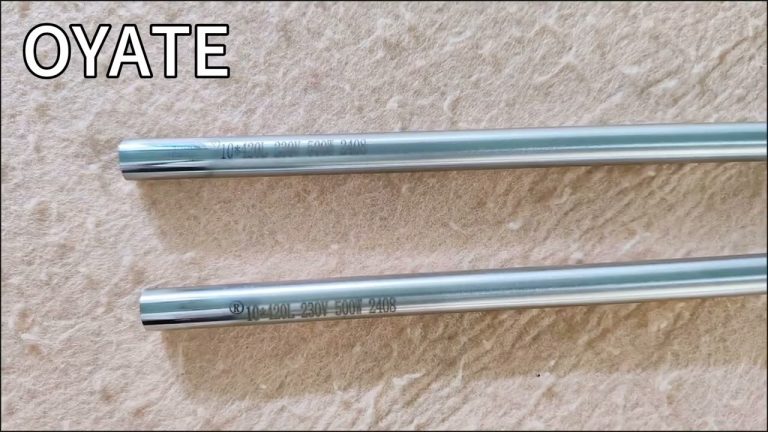
Understanding the Basics of 230V Power Supply
Understanding the basics of a 230V power supply is essential for anyone working with electrical devices, particularly in applications such as infrared heat lamps used for car paint curing. The 230V power supply is a standard voltage level in many countries, particularly in Europe and parts of Asia, and it plays a crucial role in the operation of various electrical appliances. This voltage level is significant because it allows for efficient energy transfer and is compatible with a wide range of devices, including halogen heating lamps that operate at 1100W and 2000W.

When discussing the 230V power supply, it is important to recognize its implications for safety and performance. Devices designed to operate at this voltage are built with specific components that can handle the electrical load without overheating or failing. For instance, halogen heating lamps, which are often used in automotive applications, require a stable power supply to function effectively. These lamps convert electrical energy into infrared radiation, which is then used to cure paint by accelerating the drying process. The efficiency of this curing process is directly linked to the quality of the power supply, making it imperative to use equipment that is rated for 230V.
Moreover, the wattage rating of a device, such as the 1100W or 2000W halogen heating lamps, indicates the amount of power the device consumes while operating. Understanding this relationship between voltage and wattage is crucial for ensuring that the electrical circuit can handle the load without tripping breakers or causing damage. For example, a 2000W lamp operating at 230V draws approximately 8.7 amps of current. Therefore, it is essential to ensure that the wiring and circuit breakers in the system are rated to handle this current safely.
In addition to safety considerations, the efficiency of the heating process is also influenced by the design of the infrared heat lamp. The 355mm size of the lamp reflects its ability to emit a broad spectrum of infrared radiation, which is particularly effective for curing car paint. The design and construction of these lamps are optimized to provide uniform heat distribution, ensuring that the paint cures evenly and effectively. This uniformity is critical in automotive applications, where inconsistencies in paint curing can lead to defects and a subpar finish.
| Name: | infrared heat lamp |
| Brand: | OYATE |
Furthermore, the use of halogen heating lamps in car paint curing is becoming increasingly popular due to their rapid heating capabilities. Unlike traditional heating methods, which may take longer to reach the desired temperature, halogen lamps can achieve high temperatures quickly, thereby reducing the overall curing time. This efficiency not only enhances productivity but also improves the quality of the finished product.
In conclusion, understanding the basics of a 230V power supply is vital for anyone involved in the use of infrared heat lamps for car paint curing. The interplay between voltage, wattage, and the design of the heating elements determines the effectiveness and safety of the curing process. As technology continues to advance, the importance of utilizing efficient and reliable power sources will only grow, making it essential for professionals in the automotive industry to stay informed about these fundamental concepts. By doing so, they can ensure optimal performance and quality in their work, ultimately leading to better results in car paint applications.