

Table of Contents
Advantages of Using 700V 9800W Laminated Glass Cutting Twin Tube IR Heating Lamps
The 700V 9800W Laminated Glass Cutting Twin Tube IR Heating Lamp represents a significant advancement in the field of glass processing technology. One of the primary advantages of utilizing this type of heating lamp is its efficiency in delivering high levels of infrared radiation, which is essential for the effective cutting of laminated glass. The twin tube design allows for a more uniform distribution of heat, ensuring that the glass is heated evenly. This uniformity is crucial, as it minimizes the risk of thermal stress and potential cracking during the cutting process.
Moreover, the high wattage of 9800W provides rapid heating capabilities, which significantly reduces the time required for the glass to reach the optimal cutting temperature. This efficiency not only enhances productivity but also contributes to energy savings, as the lamp can achieve desired temperatures more quickly than traditional heating methods. Consequently, businesses can benefit from reduced operational costs while maintaining high-quality output.
In addition to its efficiency, the 700V 9800W Laminated Glass Cutting Twin Tube IR Heating Lamp is designed with durability in mind. The robust construction of the lamp ensures that it can withstand the rigors of industrial use, making it a reliable choice for manufacturers and fabricators. This durability translates into lower maintenance costs and less frequent replacements, further enhancing the overall cost-effectiveness of the investment.
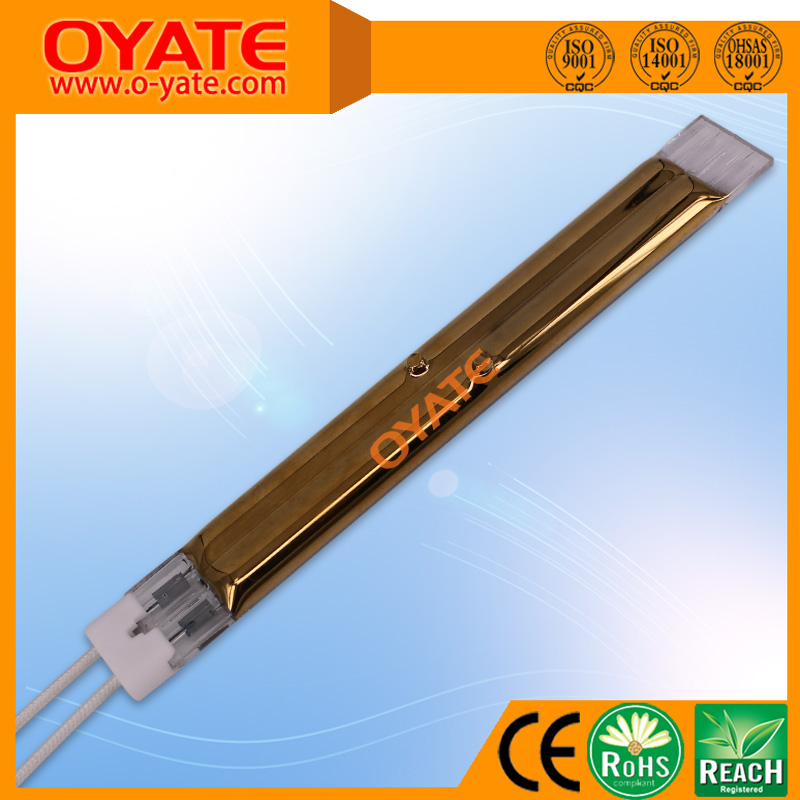
Another significant advantage of this heating lamp is its versatility. It can be used in various applications beyond just laminated glass cutting, including the processing of other types of glass and materials that require precise heating. This adaptability makes it an invaluable tool in diverse manufacturing environments, allowing companies to streamline their operations and reduce the need for multiple heating solutions.
Furthermore, the infrared heating technology employed in this lamp is known for its environmentally friendly characteristics. Unlike conventional heating methods that may rely on fossil fuels or produce harmful emissions, infrared heating is cleaner and more sustainable. This aspect aligns with the growing emphasis on eco-friendly practices in manufacturing, allowing companies to enhance their sustainability profiles while still achieving high performance.
The ease of integration into existing production lines is another noteworthy benefit of the 700V 9800W Laminated Glass Cutting Twin Tube IR Heating Lamp. Its design allows for straightforward installation and compatibility with various cutting machines, minimizing downtime during the transition to this advanced heating solution. As a result, businesses can quickly adapt to new technologies without significant disruptions to their operations.
In conclusion, the advantages of using the 700V 9800W Laminated Glass Cutting Twin Tube IR Heating Lamp are manifold. From its efficient heating capabilities and durability to its versatility and environmental benefits, this heating lamp stands out as a superior choice for glass processing applications. By investing in this technology, manufacturers can enhance their productivity, reduce costs, and contribute to a more sustainable future. As the industry continues to evolve, embracing such innovative solutions will be essential for staying competitive and meeting the demands of an increasingly discerning market.
Best Practices for Operating 700V 9800W Laminated Glass Cutting Twin Tube IR Heating Lamps
Operating a 700V 9800W Laminated Glass Cutting Twin Tube IR Heating Lamp requires a thorough understanding of both the equipment and the materials involved. These lamps are designed to provide efficient and effective heating for laminated glass, facilitating precise cutting and shaping. To ensure optimal performance and safety, it is essential to adhere to best practices during operation.
| Product | Quartz twin tube IR lamp |
| Application | Industrial heating, Printing |
First and foremost, it is crucial to familiarize oneself with the technical specifications and operational guidelines provided by the manufacturer. Understanding the voltage and wattage ratings, as well as the specific heating capabilities of the twin tube IR heating lamp, will help operators make informed decisions regarding its use. Proper training is also essential; personnel should be well-versed in the lamp’s operation, including how to adjust settings for different types of laminated glass. This knowledge not only enhances efficiency but also minimizes the risk of accidents.
Before initiating the cutting process, it is advisable to conduct a thorough inspection of the equipment. Check for any signs of wear or damage, particularly in the electrical components and the heating tubes. Ensuring that the lamp is clean and free from debris will also contribute to its effective operation. Regular maintenance, including cleaning the heating elements and checking electrical connections, is vital for prolonging the lifespan of the lamp and maintaining consistent performance.
When preparing to cut laminated glass, it is important to select the appropriate temperature settings based on the thickness and type of glass being processed. The 700V 9800W lamp is capable of reaching high temperatures quickly, which can be advantageous for cutting; however, excessive heat can lead to thermal stress and potential damage to the glass. Therefore, operators should gradually increase the temperature and monitor the glass closely to achieve the desired results without compromising its integrity.
In addition to temperature control, the positioning of the glass relative to the heating lamp is critical. The distance between the glass and the lamp should be carefully calibrated to ensure even heating. Uneven heating can result in warping or cracking, which can ruin the glass and lead to costly waste. Utilizing adjustable mounting systems can help maintain the correct distance and angle, allowing for uniform heat distribution across the surface of the glass.
Furthermore, safety precautions should never be overlooked. Operators must wear appropriate personal protective equipment, including heat-resistant gloves and safety goggles, to protect against potential hazards. It is also advisable to maintain a clear workspace, free from flammable materials, to reduce the risk of fire. Additionally, having a fire extinguisher readily available and ensuring that all personnel are aware of emergency procedures can further enhance safety during operation.
Finally, after completing the cutting process, it is essential to allow the glass to cool gradually. Rapid cooling can induce stress fractures, negating the benefits of the precise cutting achieved with the IR heating lamp. Operators should also take the time to clean the equipment after use, ensuring that any glass shards or debris are properly disposed of to maintain a safe working environment.
In conclusion, operating a 700V 9800W Laminated Glass Cutting Twin Tube IR Heating Lamp effectively requires a combination of technical knowledge, careful preparation, and adherence to safety protocols. By following these best practices, operators can maximize the efficiency of the heating lamp while ensuring high-quality results in laminated glass cutting.


