

Applications of 230V 4500W Infrared Emitters in Industrial Welding
The 230V 4500W infrared emitter, particularly the 730mm twin tube model, has emerged as a pivotal tool in the realm of industrial welding. Its design and functionality cater to a variety of applications, enhancing efficiency and precision in welding processes. One of the primary advantages of using infrared emitters in welding is their ability to provide targeted heat, which is essential for achieving optimal weld quality. The focused heat generated by these emitters allows for rapid preheating of materials, thereby reducing the risk of thermal distortion and ensuring a more uniform weld.
In the context of industrial welding, the 230V 4500W infrared emitter is particularly beneficial for applications involving thermoplastics and metals. For instance, in the welding of thermoplastic materials, the infrared emitter can effectively soften the surfaces to be joined, facilitating a seamless bond. This capability is crucial in industries such as automotive manufacturing, where the integrity of welded joints directly impacts the performance and safety of vehicles. Moreover, the emitter’s ability to heat specific areas without affecting the surrounding material minimizes the risk of damage, making it an ideal choice for delicate components.
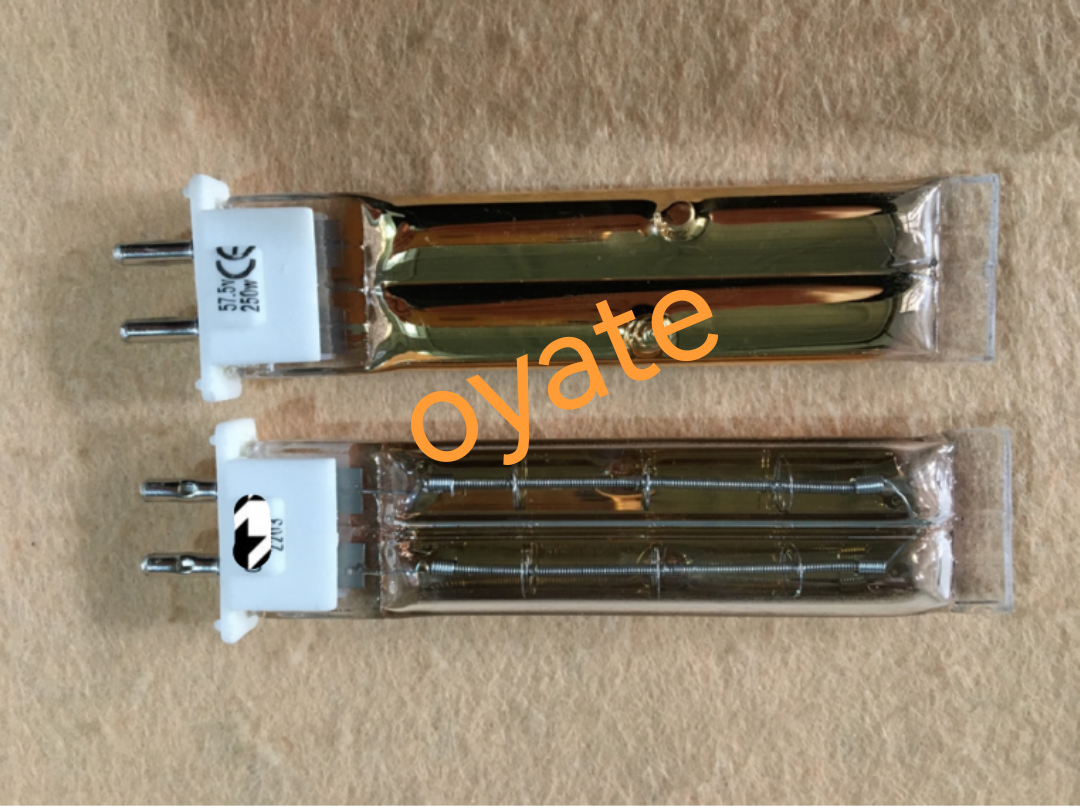
| Products | Quartz twin tube IR lamp |
| Application | Industrial heating, Printing |
Transitioning to metal welding, the infrared emitter plays a significant role in processes such as spot welding and seam welding. The high power output of 4500W ensures that sufficient heat is generated to melt the base materials, allowing for strong and durable welds. Additionally, the 730mm length of the twin tube design provides a broad heating area, which is advantageous for larger components that require extensive welding. This feature not only enhances productivity by reducing the time needed for heating but also improves the overall quality of the welds produced.
Furthermore, the versatility of the 230V 4500W infrared emitter extends to its compatibility with various welding techniques, including TIG and MIG welding. By integrating infrared emitters into these processes, operators can achieve better control over the heat input, which is vital for preventing issues such as warping or cracking in the welded materials. The precise temperature management afforded by infrared technology allows for adjustments based on the specific requirements of different materials, thereby optimizing the welding parameters for each application.
In addition to improving weld quality, the use of infrared emitters in industrial welding contributes to energy efficiency. Traditional welding methods often require prolonged heating times, leading to increased energy consumption. In contrast, the rapid heating capabilities of the 230V 4500W infrared emitter reduce the overall energy expenditure, making it a more sustainable option for manufacturers. This aspect is particularly relevant in today’s industrial landscape, where energy efficiency and cost-effectiveness are paramount.
Moreover, the implementation of infrared emitters can enhance workplace safety. By minimizing the heat-affected zone, the risk of burns and other heat-related injuries is significantly reduced. This safety feature is crucial in industrial environments where multiple operators may be working simultaneously. The reduced need for extensive protective measures allows for a more streamlined workflow, ultimately contributing to higher productivity levels.
In conclusion, the applications of the 230V 4500W infrared emitter in industrial welding are vast and varied. From improving weld quality and efficiency to enhancing safety and energy consumption, these emitters represent a significant advancement in welding technology. As industries continue to evolve, the integration of infrared emitters will likely play an increasingly important role in shaping the future of welding processes, ensuring that manufacturers can meet the demands of modern production while maintaining high standards of quality and safety.


