

Table of Contents
Benefits of Using Laminated Glass in High-Temperature Applications
Laminated glass is a type of safety glass that is made by sandwiching a layer of polyvinyl butyral (PVB) between two or more layers of glass. This process creates a strong and durable material that is resistant to shattering upon impact. Laminated glass is commonly used in high-temperature applications, such as in ovens, furnaces, and industrial processes, where the glass is exposed to extreme heat.
One of the key benefits of using laminated glass in high-temperature applications is its ability to withstand thermal stress. When exposed to high temperatures, glass expands and contracts, which can lead to cracking and breakage. Laminated glass, however, is able to distribute the stress more evenly across the glass surface, reducing the likelihood of thermal breakage. This makes it an ideal choice for applications where the glass is subjected to rapid temperature changes.
In addition to its thermal resistance, laminated glass also offers superior safety and security benefits. In the event of breakage, the PVB interlayer holds the glass together, preventing it from shattering into sharp, dangerous shards. This can help to reduce the risk of injury in high-temperature environments where glass breakage is a concern. Furthermore, the PVB interlayer also acts as a barrier to heat transfer, helping to insulate the space and maintain a consistent temperature.
Another advantage of using laminated glass in high-temperature applications is its versatility. Laminated glass can be customized to meet specific requirements, such as thickness, size, and shape. This allows for greater design flexibility and the ability to create custom solutions for unique applications. Additionally, laminated glass can be combined with other types of glass, such as tempered or coated glass, to enhance its performance and functionality.
| Commodity Name | Quartz twin tube IR lamp |
| Application | Industrial heating, Printing |
When it comes to cutting laminated glass for high-temperature applications, the Twin Tube IR Heat Lamp with 700V 9800W is an ideal tool for the job. This cutting tool uses infrared heat to soften the PVB interlayer, allowing for clean and precise cuts without damaging the glass. The high voltage and wattage of the lamp ensure quick and efficient cutting, making it a valuable asset for manufacturers and fabricators working with laminated glass.
In conclusion, the benefits of using laminated glass in high-temperature applications are clear. From its thermal resistance and safety features to its versatility and customizability, laminated glass offers a range of advantages for applications where heat and durability are key considerations. When it comes to cutting laminated glass, the Twin Tube IR Heat Lamp with 700V 9800W is a reliable and efficient tool that can help to streamline the fabrication process and ensure high-quality results. By choosing laminated glass and the right cutting tools, manufacturers can create safe, durable, and high-performance products for a variety of high-temperature applications.
How Twin Tube IR Heat Lamps Enhance Laminated Glass Cutting Efficiency
Laminated glass cutting is a delicate process that requires precision and efficiency. One of the key components in this process is the use of infrared (IR) heat lamps. These lamps provide the necessary heat to soften the laminate layers, making it easier to cut through the glass. One type of IR heat lamp that is particularly effective for laminated glass cutting is the twin tube IR heat lamp with a voltage of 700V and a power output of 9800W.
The twin tube design of this IR heat lamp allows for a more even distribution of heat across the surface of the glass, ensuring that the entire area is heated uniformly. This is crucial for laminated glass cutting, as any uneven heating can result in cracks or other imperfections in the glass. The high voltage and power output of 9800W also ensure that the glass is heated quickly and efficiently, reducing the overall cutting time and increasing productivity.
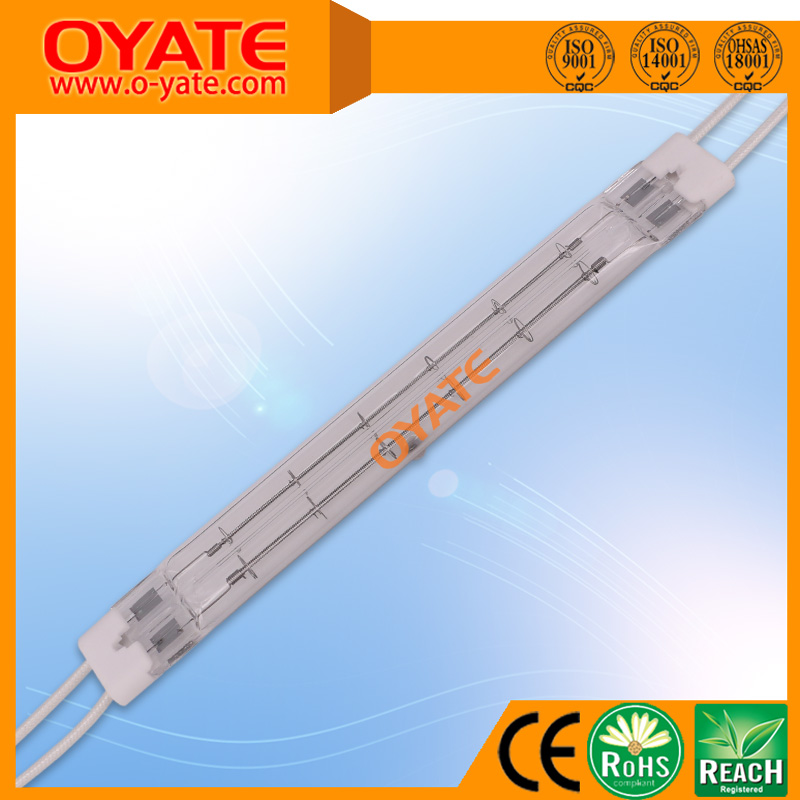
In addition to providing the necessary heat for cutting, twin tube IR heat lamps also offer other benefits that enhance the efficiency of the laminated glass cutting process. For example, these lamps are designed to be energy-efficient, which can help reduce operating costs and make the cutting process more environmentally friendly. The high-quality construction of these lamps also ensures that they have a long lifespan, reducing the need for frequent replacements and maintenance.
Another advantage of using twin tube IR heat lamps for laminated glass cutting is their versatility. These lamps can be easily adjusted to provide different levels of heat, allowing operators to tailor the cutting process to the specific requirements of each job. This flexibility makes it easier to achieve precise cuts and ensures that the glass is not overheated, which can lead to damage or warping.
Furthermore, twin tube IR heat lamps are designed to be easy to install and use, making them a convenient option for glass cutting operations of all sizes. Whether you are cutting small pieces of glass for custom projects or large sheets for industrial applications, these lamps can help streamline the cutting process and improve overall efficiency. Their compact size and durable construction also make them ideal for use in a variety of settings, from small workshops to large manufacturing facilities.
Overall, twin tube IR heat lamps are an essential tool for enhancing the efficiency of laminated glass cutting. Their ability to provide even heat distribution, energy efficiency, and versatility make them a valuable asset for any glass cutting operation. By investing in high-quality twin tube IR heat lamps with a voltage of 700V and a power output of 9800W, you can improve the quality of your cuts, reduce operating costs, and increase productivity.


